Camp
5 min read
The stone pocket, Understory Loop
Where the line sleeps
Tomás on the stone pocket, and why camp never moves.
Tomás Ferreira
Floor and stone
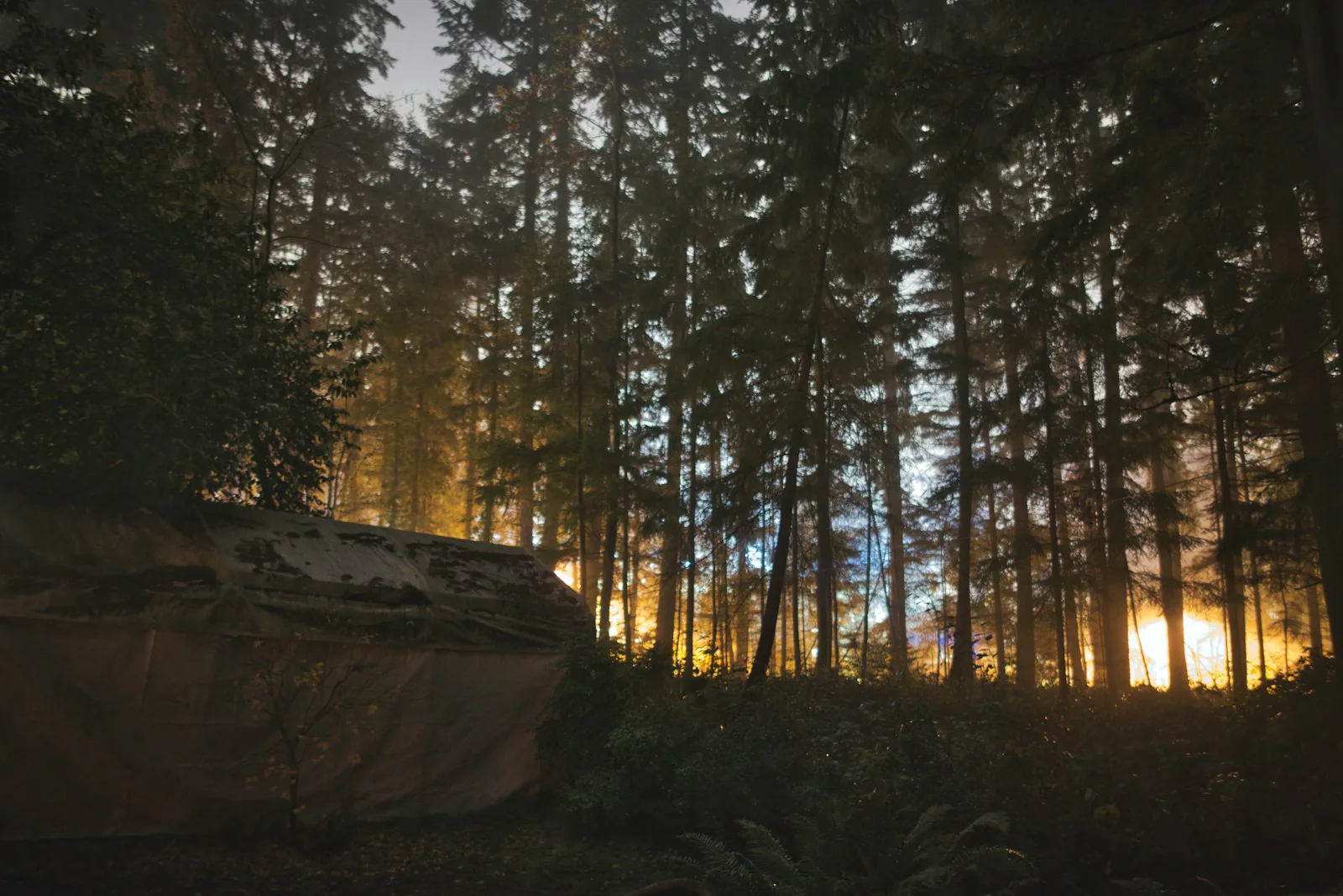
Same circle, same stones. The forest gets used to us, and we owe it that.
The stone pocket is a dent in the hillside about the size of a small courtyard, with a lip of rock on the uphill side that keeps the wind out and, on a cold night, gives back some of the day's warmth long after the sun has gone. There is a flat shelf for the stove, a spring twenty metres along the contour, and a split oak at the top edge that the owls use. It is where the Understory Loop sleeps. It has been where the loop sleeps since before any of us walked it, and the reason we have never moved it is not sentiment.
A camp that moves is a camp that spreads. New ground gets trodden and new moss gets flattened. A new spring gets fouled. A new set of animals learns that people mean food, and once that lesson is learned it is not unlearned. A camp that stays in one place makes one scar and keeps it small. The stones we cook between are the same stones. The tents go in the same circle, in the same order, on ground that stopped being anything but ground a long time ago.
I have walked past the pocket in May, during the closure, and it takes a moment to find. That is the whole argument, made in a glance.
Arriving
The loop gets to the pocket at about half past six, with an hour of light left, which is deliberate. The order never changes:
Tents first, before anyone sits down. A tent pitched in the dark is a tent pitched badly. The circle is marked by nothing but the guide, who walks it once and points.
Water from the spring, twenty metres along the contour, before the light goes.
The stove on the flat shelf, and the food on it.
Then nothing. By the time the food is ready the light has gone amber and the group has stopped moving without noticing.
People expect the camp to be the social part of the walk and it is, for about an hour. Dinner is simple and hot and there is more of it than anyone expects. Someone always asks the guide something about the forest and the guide always answers, and then the conversation runs down of its own accord, because the light has gone and the forest has started.
What the night is for
It goes quiet in a way that surprises everyone, because there is nothing to do and the forest is very loud when you stop making noise. Owls, first, from the split oak, close enough that the first call makes someone jump. Then the creek, which you did not notice all day and is now the loudest thing there is. Then, if you are lucky and it is the right month, deer at the edge of the pocket, close enough to hear them breathe, staying because you are still.
Nobody is told to be quiet. It is not that kind of rule. It happens because the forest is more interesting than the conversation, and a group of eight figures that out on its own in about the time it takes the stove to cool. By nine most people are lying on their backs outside the tents. By ten most people are asleep, and the ones who are not are the ones the night was for.
The fire
There is a fire, in the same ring of stones there has always been, and it is small. Small enough to sit close to and small enough that the wood for it comes from the deadfall inside the pocket and nowhere else. We do not cut. We do not burn anything green. And the fire is out, properly out, wet-and-cold out, before the last person goes to bed, because a fire that is left to burn down is a fire that is left.
The rule
Nothing goes into the ground and nothing stays behind, including the ash.
The ash is carried out in a tin, cold, and goes on the compost at the trailhead.
Food scraps go in the same bag as everything else.
Water is thrown wide and away from the spring.
The tents come down in the order they went up, and the ground under each one is looked at, by the guide, before anyone shoulders a pack.
The pocket will look, at 06:00, as if nobody was ever there. Flattened grass, which will stand up by noon. A ring of stones that were already there. That is the whole point, and it is the reason we still have a pocket to sleep in, and the reason the owls are still in the oak.
If you are coming
A sleeping bag rated lower than you think you need, because the pocket holds the day's warmth and then, at about three, lets it go. Something to sit on that is not the ground. Nothing that makes light, except the small red one we give you for finding the tent. And a willingness to be bored for an hour, because the hour after boredom is the one people write to us about.
Written for 20:30 on the line
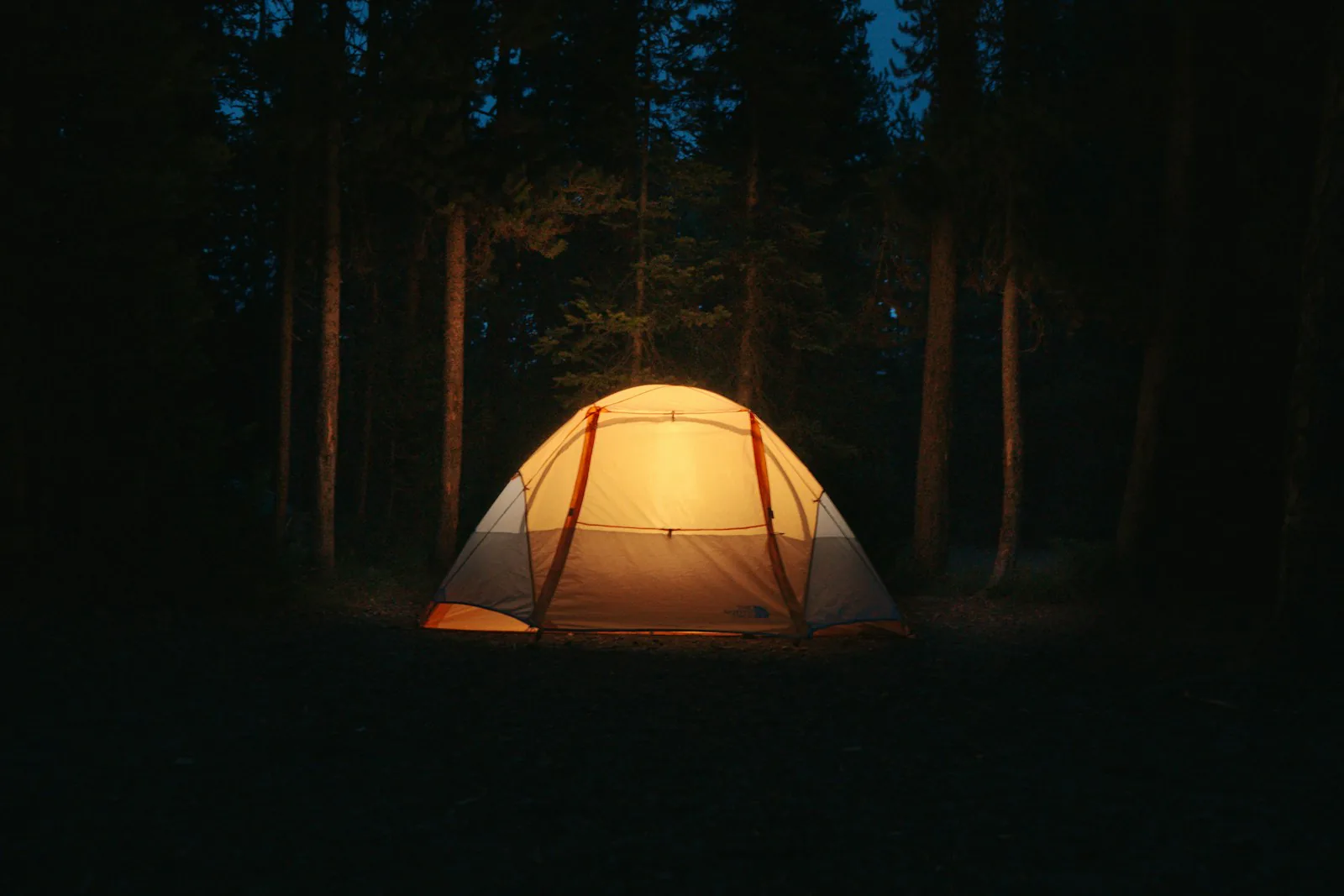

More from the line.

Season
5 min read
September, when the light comes back
Elin on the first cold mornings, and why the Night Line is best right now.

Elin Hartmann

Gear
4 min read
One pack between eight
Tomás on the shared kit, and why nobody carries the stove alone.
Tomás Ferreira
Light
5 min read
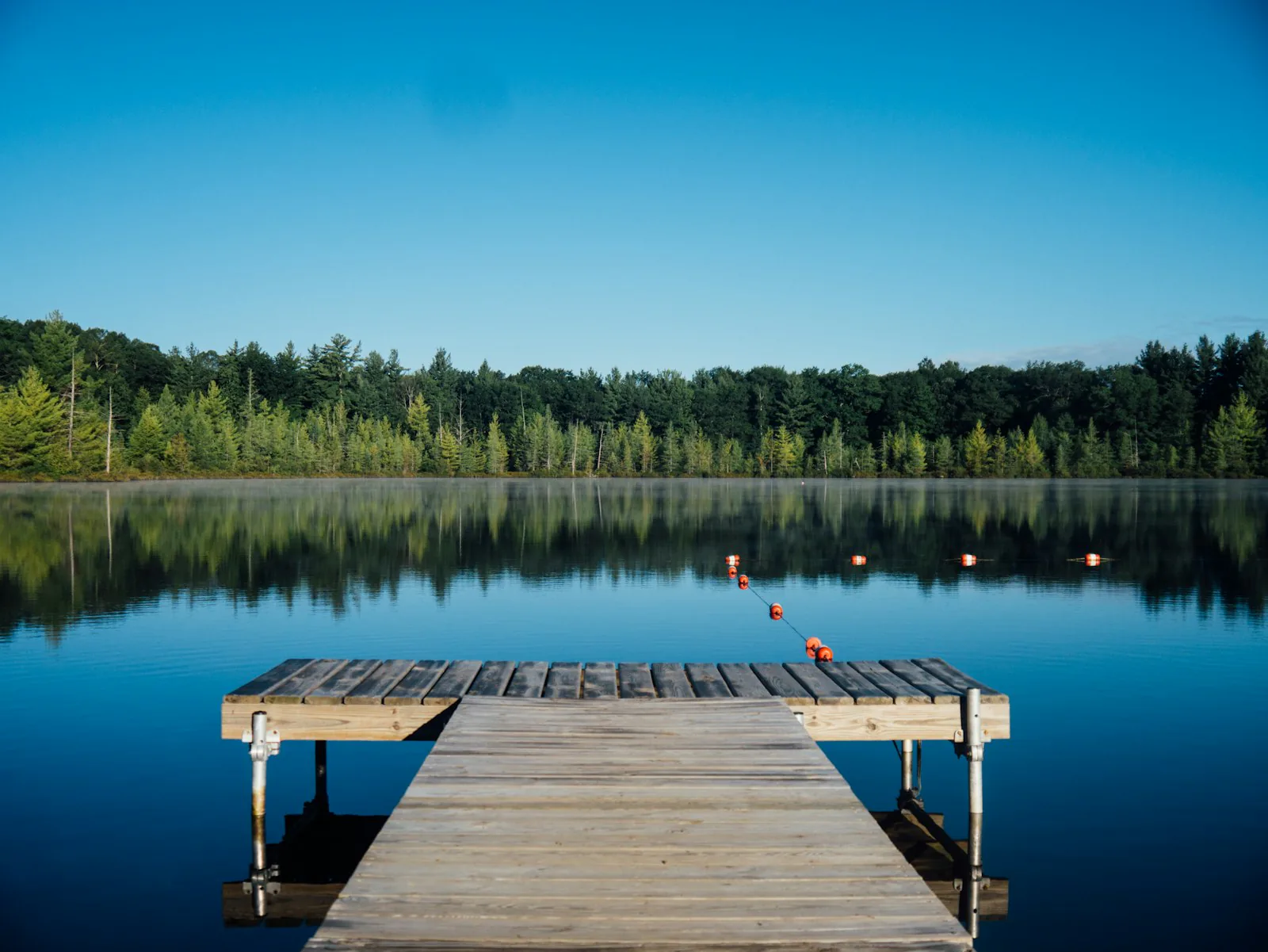
Where the water goes quiet
Jonas on the ten minutes at the far shore when the lake stops moving.

Jonas Vik